Virgin Islands National Park
Virgin Islands National Park
Our flight landed in St. Thomas around mid-morning. After grabbing our bags we headed straight to the ferry terminal. The ride over to St. John was about 20 minutes and the water was that perfect turquoise blue you see in photos and think can’t possibly be real. But it is.
Arrival
The resort exceeded expectations. Our room had an ocean view and every morning we’d spot iguanas lounging on the rocks below our balcony, soaking up the sun like they owned the place. I guess they kind of do.
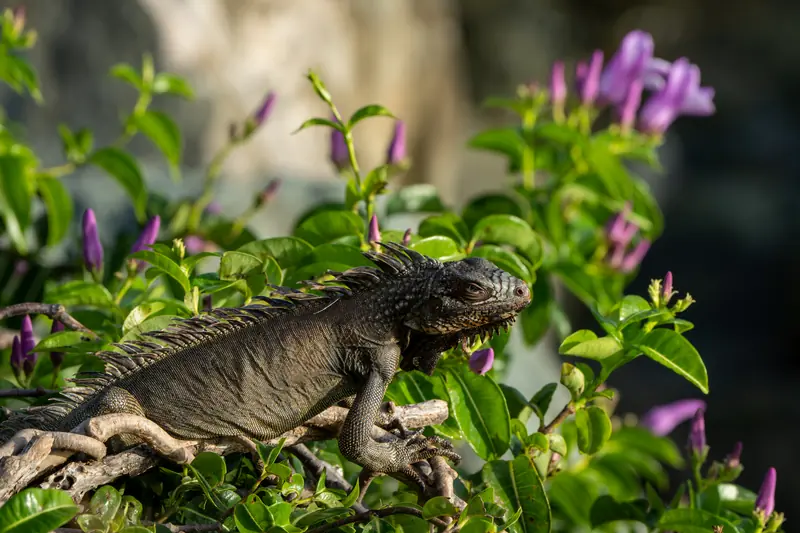 Green Iguana
We got settled in and did a quick walk around the property. Just a short path from our room led down to the water where there was a small floating dock. Spent most afternoons swimming out to it and jumping off into the clear water. Simple but perfect.
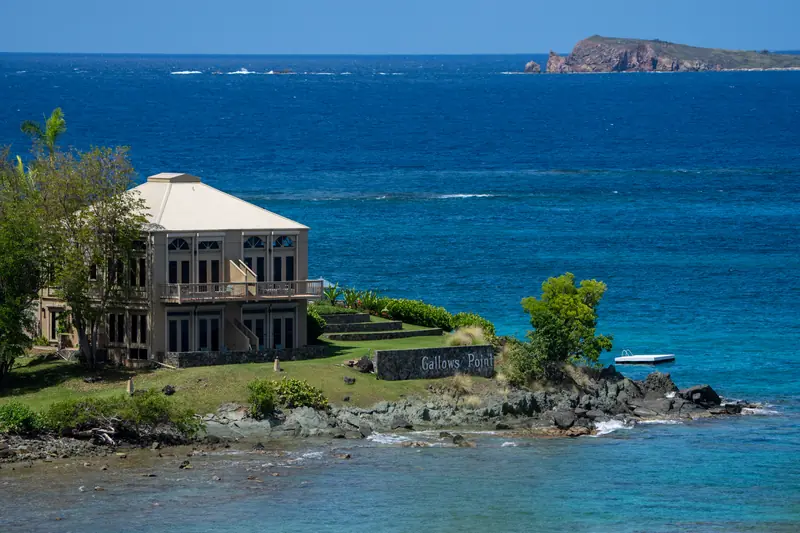 Gallows Point Resort
Beach Days
Cinnamon Bay became our go-to spot. The beach stretches for nearly a mile and is backed by tropical forest. We’d claim a spot in the morning, swim, read, repeat. The water there is incredibly calm and the snorkeling near the rocks on the eastern end was excellent.
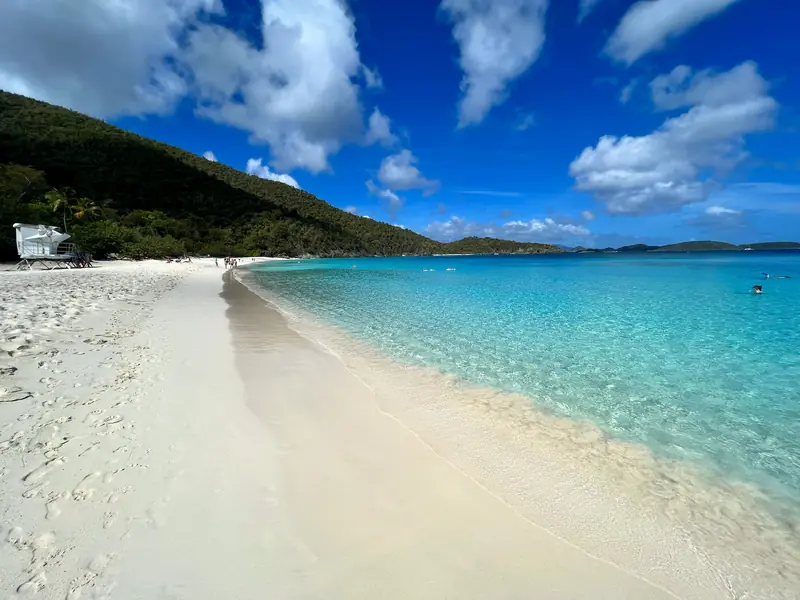 Cinnamon Bay Beach
One afternoon we swam with massive sea turtles. They glided right past us, completely unbothered, with huge remoras stuck to their backs. You could see every detail underwater, the visibility was that good.
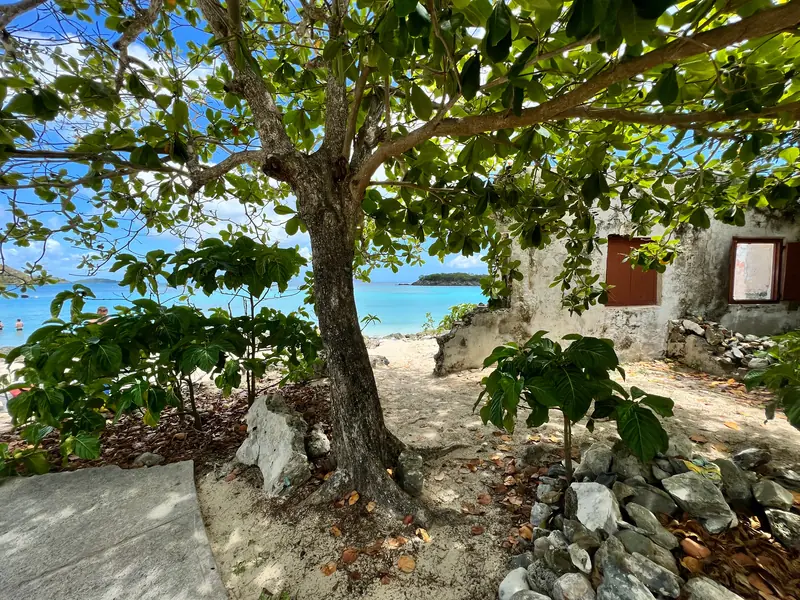 Cinnamon Bay
The bay has been a landing spot for centuries. Archaeological evidence shows that Taino people lived here as far back as 710 AD, camping seasonally to fish and gather resources. Later it became the site of a Danish sugar plantation in the 1700s. You can still see some of the old ruins if you walk the trails behind the beach.
Town Nights
The small town near our resort had a handful of bars and restaurants. We’d wander over most evenings, grab dinner, maybe hit a couple different spots for drinks. We sipped tiki cocktails while watching the sunset. The bartender convinced me to try a shot of 30-year rum one night. I couldn’t really taste the difference, honestly.
Driving on the Left
We rented a jeep to explore the island, which meant driving on the left side of the road. Took a solid day to stop feeling like I was going to crash into something every time I made a turn. The roads are narrow and winding, but the jeep handled them well enough.
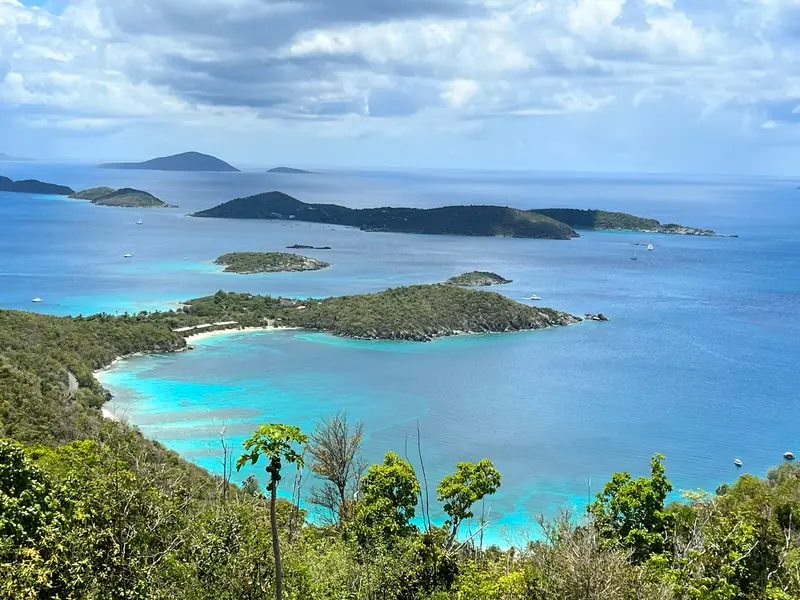 Windmill Bar Overlook
The left-hand driving is a holdover from Danish colonial rule. Denmark controlled the islands for over 200 years before selling them to the United States in 1917 for $25 million. Americans switched to driving on the right almost everywhere else, but here on St. John the tradition stuck.
Ram Head Trail
The hike to Ram Head was brutal in the best way. Hot, humid, and way more exposed than I expected. The trail cuts through dry scrubland and opens up to these fields of bright red cactus. Didn’t think the Caribbean did cactus, but there they were, everywhere.
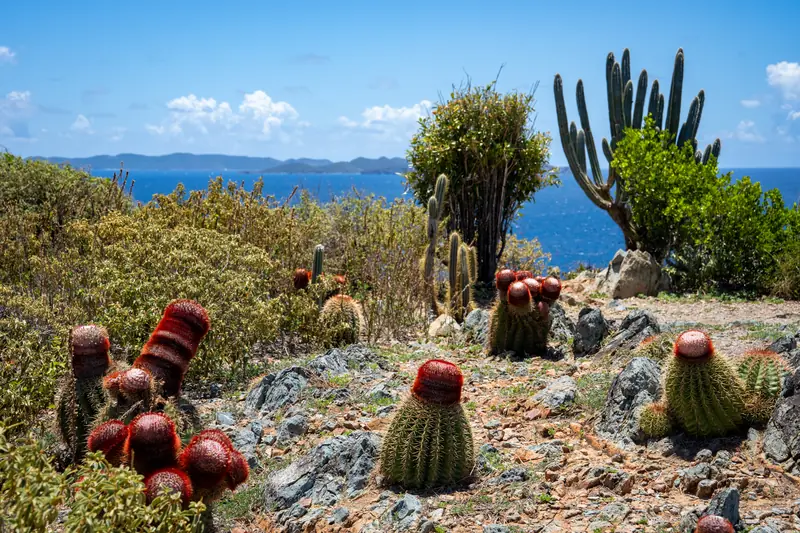 Ram Head Trail
The views from the top made it worth it. You can see Salt Pond Beach below and the ocean stretching out forever. We sat up there for a while just taking it in before heading back down.
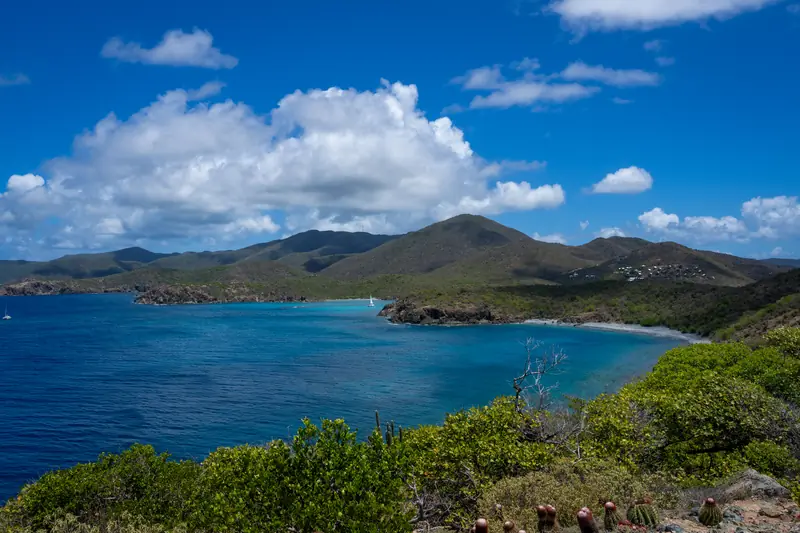 Salt Pond Beach from Ram Head Trail
Plantation Ruins
One morning we hiked out to see some petroglyphs. The trail wound through the jungle and eventually opened up to these old plantation ruins. Stone walls covered in vines, crumbling foundations, all slowly being reclaimed by the forest.
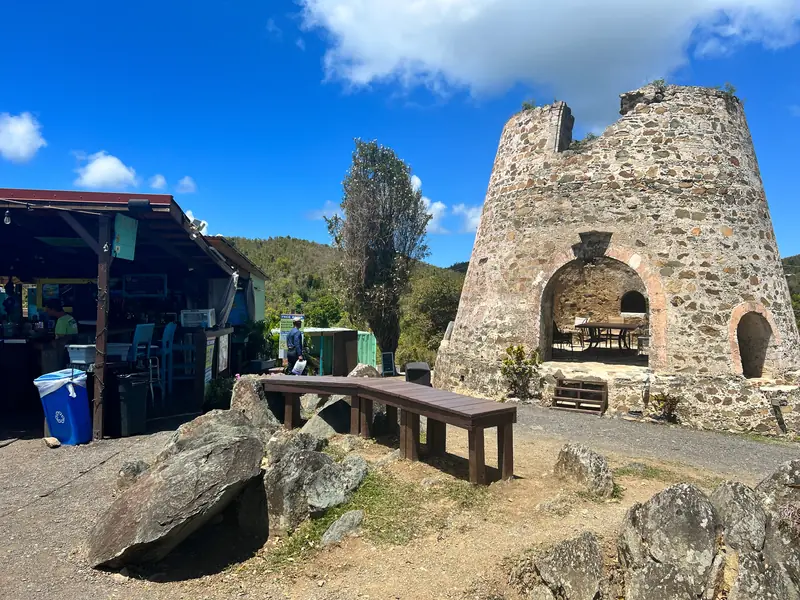 Susannaberg Plantation Windmill
Susannaberg was a working sugar plantation from the late 1700s until the mid-1800s. The windmill we saw was built around 1780 and was used to crush sugarcane. Enslaved Africans did the backbreaking work here, cultivating and processing the cane in brutal conditions. The ruins stand as a reminder of that history.
At one of the old mills we found a massive beehive tucked inside the abandoned structure. You could hear them buzzing from outside. We kept our distance and moved on pretty quick.
Wildlife Encounters
The island is full of wildlife if you pay attention. Iguanas are everywhere, obviously, but we also kept seeing these small brown animals darting across the roads and trails. Mongooses, apparently. They were introduced to control rats but now they’re just part of the landscape.
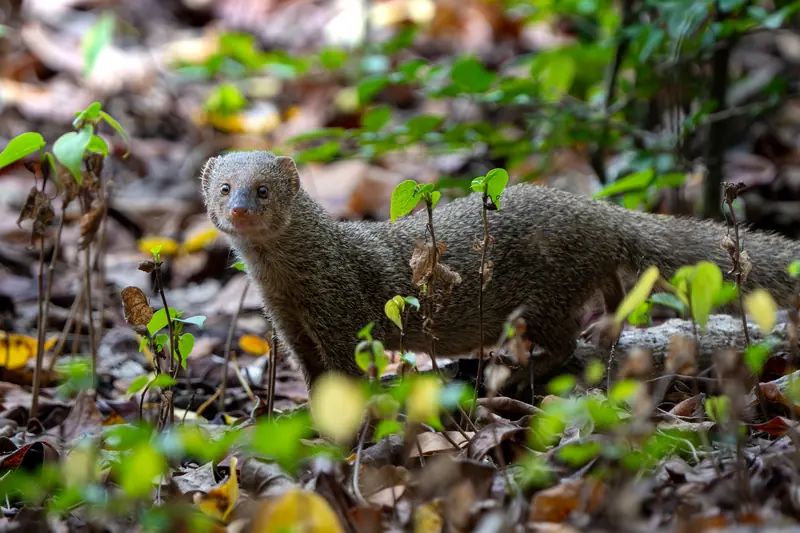 Small Indian Mongoose
The mongooses were brought over from India in the 1800s by plantation owners hoping they’d kill the rats eating their sugarcane. Didn’t work out as planned since rats are nocturnal and mongooses hunt during the day. Now they’re just another invasive species.
And the birds. There’s this bright yellow one called a bananaquit that we saw on many hikes. They’re tiny but fearless.
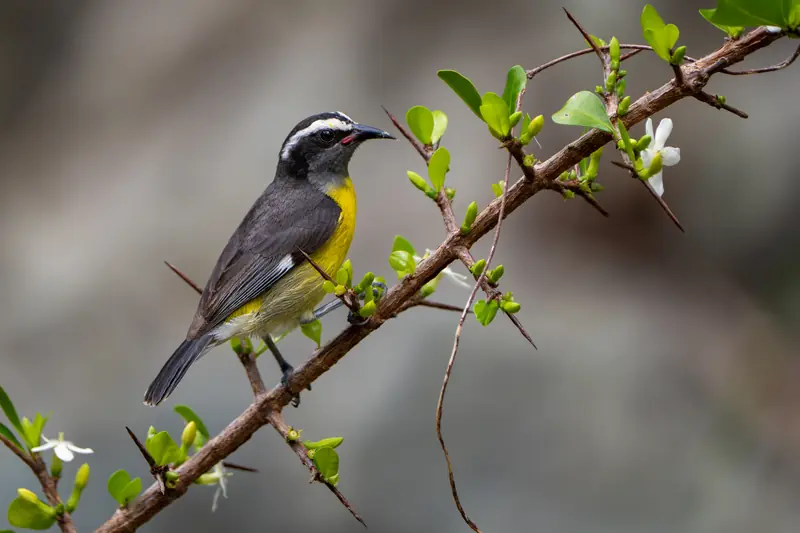 Bananaquit
Heading Home
The week went by faster than it should have. On our last morning I sat on the balcony with coffee and watched the iguanas one more time. The flight home was long but I was already thinking about when we could come back.
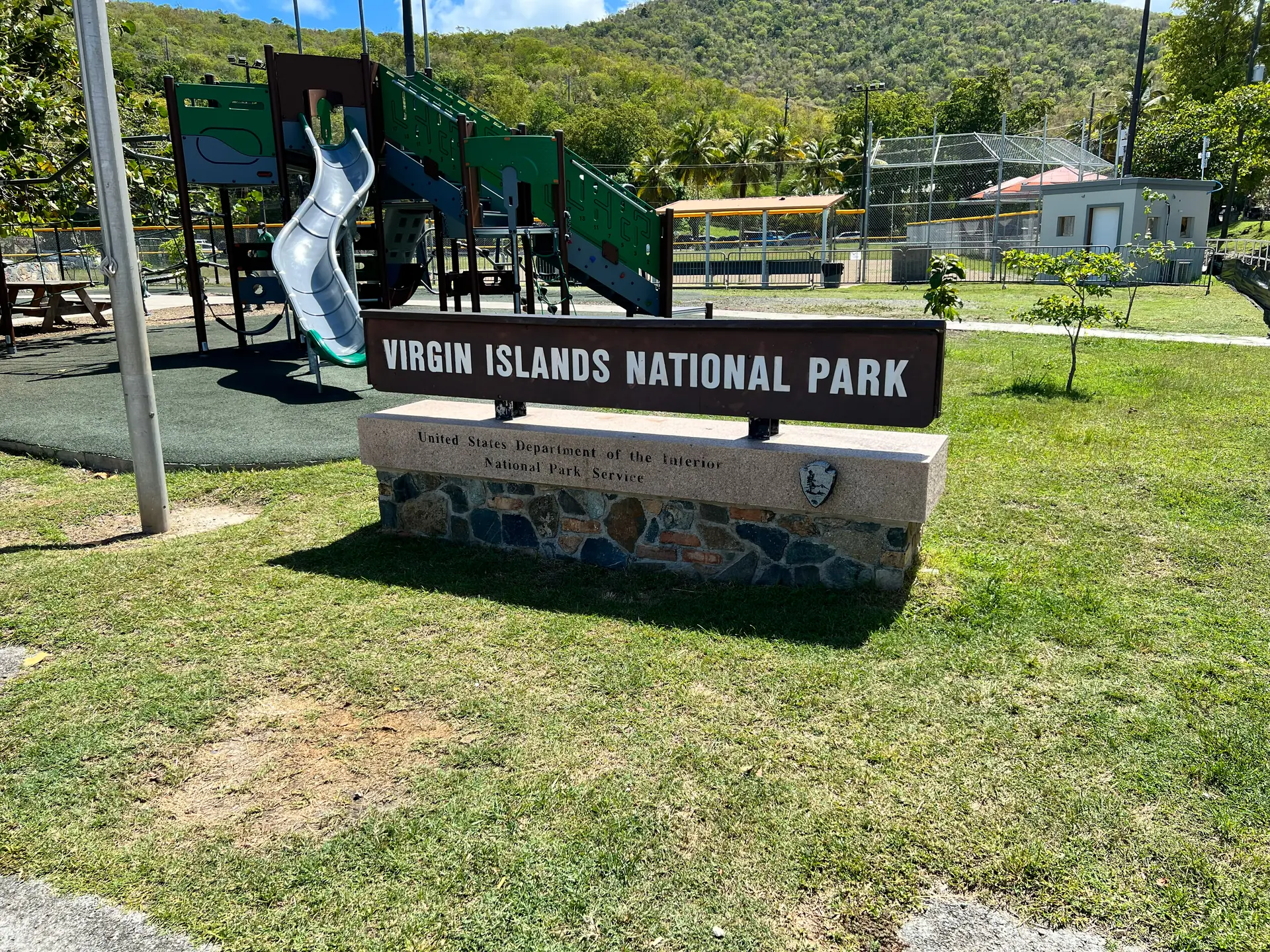
St. John isn’t flashy or overdeveloped. Most of the island is protected national park land, which is probably why it feels the way it does. Laurance Rockefeller donated over 5,000 acres to create the national park back in 1956, preserving about two-thirds of the island from development. Quiet, natural, easy. Just what we needed.